
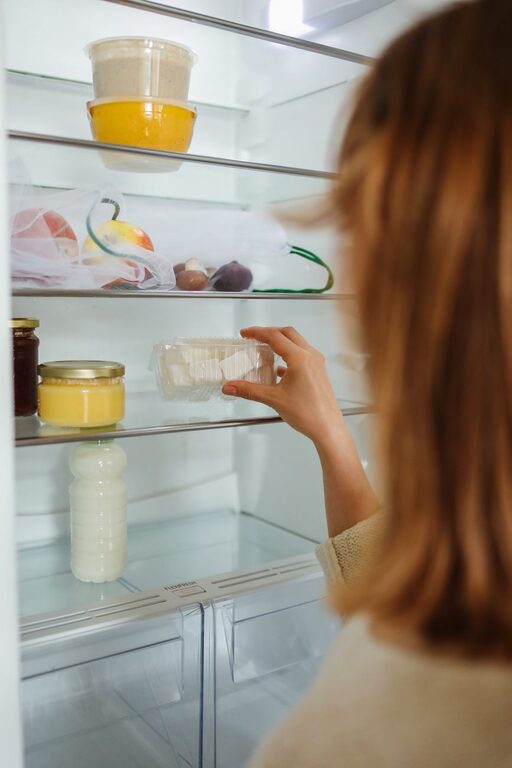
Keeping your fridge and pantry tidy can make a big difference in your daily routine. Not only does it help you find ingredients quickly, but it also reduces food waste and keeps your kitchen looking fresh. Whether you have a large fridge and pantry or a small one, these practical tips will help you stay organized and maintain a clutter-free space.
Why Keep Your Fridge and Pantry Organized?
An organized fridge and pantry offer many benefits:
– Easier meal planning: You know what you have and what you need.
– Less food waste: Food is visible and used before it expires.
– Time savings: You spend less time searching or cleaning.
– Better hygiene: Reduced risk of spills and spoilage.
– More space: Efficient use of shelves and containers.
Now, let’s dive into how to achieve and maintain that neatness.
How to Organize Your Fridge
1. Start with a Clean Slate
Before organizing, remove everything from your fridge. Throw away expired or spoiled items, and wipe down shelves and drawers with a mild cleaner. This simple step creates a fresh base and gets rid of lingering odors.
2. Group Similar Items Together
Group foods by category to keep like items together. Here’s a common way to organize:
– Top shelves: Ready-to-eat foods like leftovers, drinks, and deli meats.
– Middle shelves: Dairy products, eggs, and packaged foods.
– Lower shelves: Raw meat, poultry, and fish (keep these in leak-proof containers).
– Drawers: Use for fruits and vegetables, separated if possible by humidity needs.
– Door: Condiments, juices, and small bottles (avoid storing eggs or milk here as it’s warmer).
3. Use Clear Containers and Labels
Store loose items like chopped veggies or smaller packets in clear containers. This keeps them fresh and visible. Label containers with contents and date to easily track freshness.
4. Keep Frequently Used Items Accessible
Place items you use often at the front or eye level so they’re easy to grab. Less frequently used items can go to the back or higher shelves.
5. Avoid Overpacking
A crowded fridge doesn’t cool evenly and makes it hard to find things. Leave space for air to circulate, which helps keep food fresh longer.
How to Organize Your Pantry
1. Declutter and Clean
Remove all items, check expiration dates, and toss anything past its prime. Wipe down shelves and consider lining them with shelf paper for easy cleaning.
2. Sort and Categorize
Group pantry items by type:
– Baking supplies (flour, sugar, baking powder)
– Canned goods
– Grains and pasta
– Snacks
– Spices and seasonings
– Breakfast items (cereal, oats)
3. Use Uniform Storage Containers
Transfer loose items like rice, flour, and beans into airtight containers. Uniform containers create a streamlined look and prevent spills or pests. Choose clear containers to see when you need to restock.
4. Label Everything
Labels help everyone in the household know where things belong and keep the pantry tidy over time. You can use a label maker, printable labels, or simply write on masking tape.
5. Utilize Vertical Space
Add stackable shelves, baskets, or tiered organizers to make the most of your pantry height. Hooks on the inside of the door can hold small tools or bags.
6. Keep a “Use First” Zone
Designate a spot for items that need to be used soon, such as those nearing expiration or opened packages. This helps reduce waste and keeps these items visible.
Maintaining Your Fridge and Pantry
1. Weekly Quick Check
Spend a few minutes each week checking for spills, expired items, or disorganized shelves. A quick tidy-up prevents messes from piling up.
2. Rotate Items
Practice “first in, first out” by moving older items to the front when restocking. This encourages using food before it expires.
3. Shop Smart
Plan your grocery list and only buy what you need. Overbuying often leads to clutter and wasted food.
4. Involve the Family
Encourage everyone to put things back in their designated spots and clean up after using the fridge or pantry.
—
With these simple strategies, you can create a more functional and inviting kitchen space. A tidy fridge and pantry not only make cooking easier but also help save money and reduce waste. Give these tips a try, and enjoy a clutter-free kitchen that works for you!