Composting is a fantastic way to reduce waste, enrich your soil, and support a healthier environment—all from the comfort of your home. If you’re new to composting, it might seem a bit confusing at first, but with some simple tips and a little patience, you can create nutrient-rich compost that benefits your garden and reduces landfill waste.
In this guide, we’ll walk you through the basics of composting at home, explain what materials to use, and provide practical tips to get you started successfully.
What Is Composting?
Composting is the natural process of recycling organic matter, such as food scraps and yard waste, into a valuable soil amendment known as compost. This dark, crumbly material is full of nutrients that can improve soil health, increase moisture retention, and support plant growth.
By composting at home, you can:
– Reduce household waste going to landfills
– Cut down on the need for chemical fertilizers
– Support a sustainable lifestyle
Getting Started: Choosing Your Composting Method
Before you begin, decide which composting method suits your space, lifestyle, and goals:
1. Traditional Compost Bin or Pile
A simple bin or open pile in your backyard is great if you have outdoor space. Compost bins can be purchased or homemade from wood pallets or wire mesh.
2. Tumbler Composters
These are enclosed containers that you can rotate to mix materials easily. They speed up the composting process and usually take up less space.
3. Worm Composting (Vermicomposting)
Ideal for small spaces, worm composting uses red wiggler worms to break down organic matter in a bin indoors or outdoors. This method is fast and odor-free.
4. Bokashi Composting
This is a fermentation method using special bran to decompose food waste quickly inside a sealed container. It’s suitable for apartments or places with limited outdoor space.
What to Compost: Understanding “Greens” and “Browns”
Compost needs a balance of two main types of materials:
– Greens: These are nitrogen-rich items that provide moisture and nutrients. Examples include vegetable scraps, coffee grounds, fresh grass clippings, and fruit waste.
– Browns: These are carbon-rich and help add structure and aeration to your compost. Examples include dry leaves, shredded paper, cardboard, straw, and small branches.
Tips for Balancing Greens and Browns
– Aim for a ratio of about 2-3 parts browns to 1 part greens by volume.
– Avoid adding too many wet or green materials at once, as this can make the pile smelly or soggy.
– Chop or shred larger materials to speed up decomposition.
Step-by-Step Guide to Starting Your Compost
- **Select a Location:** Find a dry, shady spot with good drainage near a water source.
- **Build Your Pile or Set Up Your Bin:** If using a bin, place it on soil to encourage helpful microbes and worms.
- **Add Browns and Greens Alternately:** Start with a layer of browns, then add a layer of greens. Continue layering as you add materials.
- **Moisten:** Compost should be damp but not soaked—like a wrung-out sponge. Add water if it feels dry.
- **Turn Regularly:** Stir or turn your pile every 1-2 weeks to aerate it and speed up decomposition.
- **Monitor Temperature:** A well-maintained compost pile will heat up as microbes work. If it's too cool, try adding more greens or turning more often.
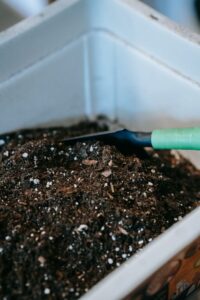
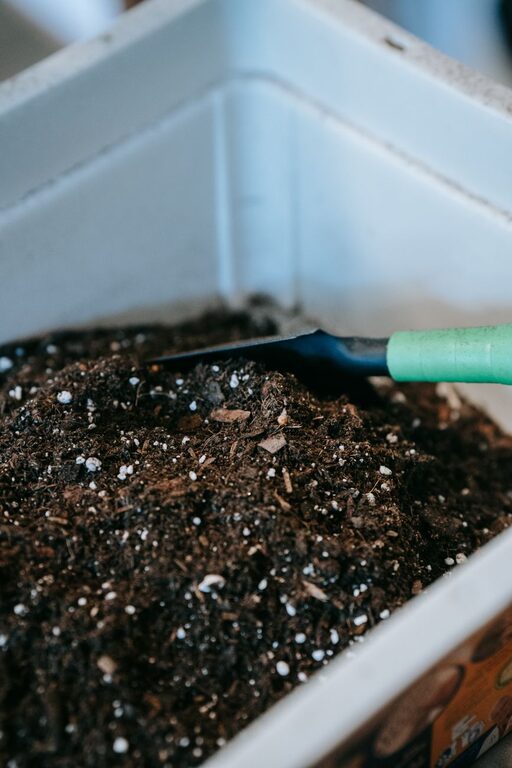
- **Harvest Your Compost:** In about 2-6 months, the compost at the bottom will turn dark and crumbly. Use this as a natural fertilizer for your plants.
What Not to Compost
To keep your compost healthy and odor-free, avoid these items:
– Meat, dairy, and oily foods (can attract pests)
– Pet waste (may contain harmful pathogens)
– Diseased plants or invasive weeds
– Coal or charcoal ashes
– Synthetic chemicals or treated wood
Troubleshooting Common Compost Issues
– Bad Odor: Usually caused by excess moisture or too many greens. Add more browns and turn the pile.
– Pile Too Dry: Add water and some greens to increase moisture.
– Slow Decomposition: Chop materials finer, turn more frequently, and adjust green-to-brown ratio.
– Pests: Cover food scraps with browns and avoid meat or dairy.
Tips for Success
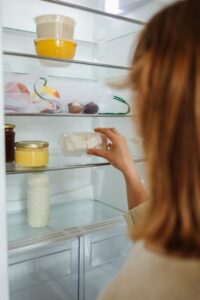
– Collect food scraps in a small container with a lid to keep kitchen waste handy.
– Freeze scraps if you don’t add to the pile daily to reduce smells and pests.
– Use finished compost in your garden beds, pots, or lawn to improve soil health.
– Be patient—composting is a natural process that takes time and attention.
Final Thoughts
Home composting is an easy and rewarding way to reduce waste and support your garden. By following these beginner tips, you’ll be well on your way to creating rich, natural compost that nourishes your plants and helps the environment. Give it a try—your garden and planet will thank you!