
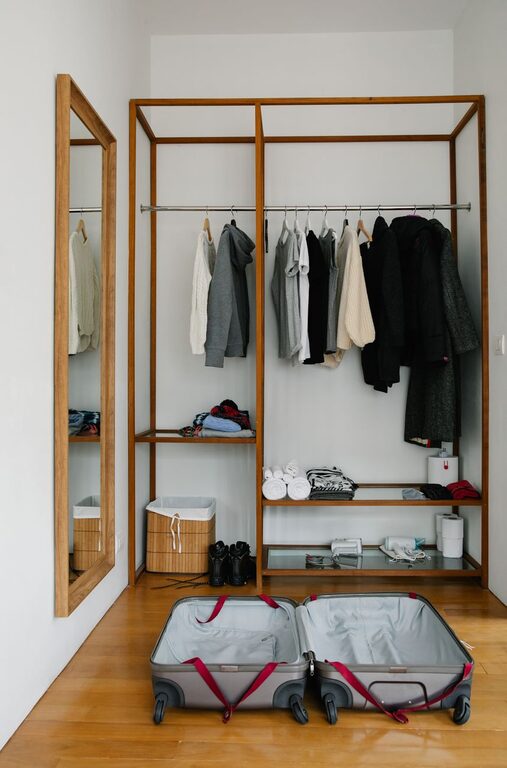
Storing seasonal clothes efficiently can save space, protect your garments, and make your wardrobe easier to manage. Whether you’re packing away winter coats or summer shorts, having a system in place ensures your clothes remain in good condition and ready for the next season. In this guide, we’ll explore practical tips and smart solutions for storing seasonal clothes effectively.
Why Proper Storage Matters
Seasonal clothing is often bulky or delicate, which makes proper storage important. Without the right care, clothes can suffer from:
– Wrinkles and creases
– Fading or discoloration
– Mold and mildew growth
– Pest damage
– Loss of shape or fabric integrity
By storing clothes correctly, you extend their lifespan and keep them looking their best.
Steps to Prepare Your Seasonal Clothes for Storage
1. Clean Everything Thoroughly
Before storing, always wash or dry-clean your clothes. Dirt, sweat, and oils can attract pests and cause stains to set over time. Make sure clothes are:
– Clean and completely dry
– Free from stains and odors
2. Repair and Mend
Take a moment to check for loose buttons, broken zippers, or small tears. Fix these issues now to avoid damage next season.
3. Sort and Declutter
Use this time to decide which items you actually want to keep. Donate or recycle clothes you haven’t worn for a while.
Choosing the Right Storage Solutions
1. Storage Containers
Plastic bins with tight-fitting lids protect clothes from moisture, dust, and pests. Look for:
– Clear containers so you can see the contents
– Stackable designs to save space
– Containers with ventilation holes if storing natural fibers
Avoid cardboard boxes, as they can attract bugs and absorb moisture.
2. Garment Bags
For delicate or easily wrinkled items like suits or dresses, use breathable garment bags. Avoid plastic bags, which trap moisture and can cause mildew.
3. Vacuum-Sealed Bags
These bags reduce volume by removing air, saving space for bulky items like winter coats and blankets. Just be cautious with natural fibers, as long-term compression can damage them.
4. Hanging vs Folding
– Hang coats, jackets, and dresses on sturdy hangers
– Fold knitwear, sweaters, and t-shirts to avoid stretching
– Use acid-free tissue paper between folds to prevent creases
Organizing Your Storage Space
1. Label Everything
Label bins and bags clearly so you can easily find items when the season changes. Include:
– Type of clothing
– Size (if you share storage space)
– Season
2. Store in a Cool, Dry Place
Choose a storage area that stays cool and dry year-round. Avoid attics and basements prone to moisture or extreme temperatures.
3. Elevate Storage Containers
Keep containers off the floor using shelves or pallets to prevent water damage and improve air circulation.
Additional Tips to Protect Your Clothes
1. Use Cedar or Lavender
Natural repellents like cedar blocks or lavender sachets help deter moths and insects without harsh chemicals.
2. Avoid Overpacking
Give clothes some breathing room to reduce wrinkles and maintain fabric integrity.
3. Check Periodically
Inspect stored clothes every few months for signs of moisture or pests.
Implementing a Seasonal Rotation System
Consider organizing your closet so that current season clothes are accessible, and off-season items are stored neatly elsewhere. This rotation makes dressing easier and keeps your wardrobe uncluttered.
—
Efficiently storing seasonal clothes is all about preparation, choosing the right materials, and maintaining good organization. With these simple steps, you can keep your clothes safe, clean, and ready to wear every season without hassle. Happy organizing!